Author: Energy Workshop

An EVOAQ Heat Transfer System installed in a New Zealand home

The Benefits of Installing a Heat Transfer System in Your Home

There’s nothing quite like the warmth and comfort of a fireplace. It’s the heart of many homes, providing both heat and ambiance during the colder months. But what if you could make that warmth work even harder for you? That’s where a heat transfer system comes in.

Maximise Your Fireplace’s Efficiency with a Heat Transfer Kit

If you’re considering installing a fireplace or already have one, a heat transfer system is a smart addition to your home. While your fireplace does a great job of heating the room it’s in, a heat transfer kit can help spread that warmth to other areas of your home. By redistributing the heat generated in your living room to bedrooms, hallways, and other spaces, you can create a more evenly heated home without needing to install additional heaters.

Heat Transfer Lowers Your Winter Power Costs

One of the biggest benefits of a heat transfer system is its ability to significantly lower your power bills. Instead of relying on multiple heaters to warm different parts of your house, a heat transfer system efficiently redistributes the heat generated by your fireplace to other rooms. This not only reduces the need for electric/gas heaters or other costly heating methods, but also maximises the use of the heat already being produced, ensuring no warmth goes to waste.

By spreading the heat throughout your home, you create a more balanced and consistent temperature, eliminating cold spots that would otherwise require additional heating. This means that once your fireplace is up and running, the heat transfer system can maintain a comfortable temperature in multiple rooms, reducing the frequency with which other heating devices need to be turned on. Over time, this can lead to substantial savings on your winter energy bills.

Moreover, a heat transfer system can extend the use of your fireplace, allowing it to be a more central part of your home’s heating strategy rather than just a cosy feature in one room. With rising energy costs, finding ways to efficiently heat your home is more important than ever, and a heat transfer kit is a practical solution that leverages your existing resources to keep your home warm without inflating your power bills.

Why Choose an EVOAQ Heat Transfer System?

At Energy Workshop, we offer the EVOAQ Heat Transfer System, which is designed to maximise the efficiency of your home’s heating. The EVOAQ system uses advanced fan technology and automatic sensing controls to ensure optimal heat distribution throughout your home. By installing an EVOAQ Heat Transfer unit, you can enjoy a warmer, more comfortable home without the added cost of running multiple heaters.

An EVOAQ heat transfer kit is a smart investment for any homeowner looking to make the most of their fireplace. If you’re considering installing a fireplace or want to improve the heating in your home, consider adding an Heat Transfer unit. Contact Energy Workshop today to learn more about how this system can work for you.

Heat Transfer in a Healthy Home

Heat Transfer – How heat moves through your house during summer and winter.

Heat transfer is the movement of heat energy from one place to another. In the context of your home, it involves the flow of heat between the inside and outside environments. Understanding heat transfer is crucial for maintaining a comfortable and energy-efficient home. By managing how heat enters and leaves your home, you can optimise indoor temperatures and reduce reliance on heating and cooling systems.

Heat gain and how heat transfers inside during the summer

During the summer months, your home can experience significant heat gain. Heat enters through various pathways, including walls, roofs, and windows. Direct sunlight streaming through windows can rapidly raise indoor temperatures, while poorly insulated walls and roofs allow external heat to seep indoors. This often results in uncomfortable indoor conditions and increased use of air conditioning to cool down the space. Effective management of heat gain is essential for maintaining a pleasant indoor environment during hot weather.

Heat loss and how heat escapes the house during winter

In winter, the opposite occurs as heat escapes from your home. Warm air inside rises and escapes through gaps in insulation, walls, ceilings, and floors. This heat loss leads to a drop in indoor temperatures, prompting increased use of heating systems to maintain comfort. Approximately 42% of heat loss from an average uninsulated home occurs through the roof, 24% through walls, and 20% through floors. Understanding these pathways of heat loss is critical for improving home energy efficiency.

How insulation helps stay on top of heat transfer

Insulation acts as a barrier to heat transfer, slowing down the processes of heat gain and heat loss. By installing insulation in your walls, roof, and floors, you create a thermal barrier that helps maintain a consistent indoor temperature. High-quality insulation reduces the amount of heat lost or gained, leading to less dependence on heating and cooling systems. This not only creates a more comfortable living environment but also enhances energy efficiency, leading to lower energy bills.

If you’re struggling to control indoor temperatures or noticing high energy bills, it may be time to consider an insulation upgrade. Proper insulation can significantly improve your home’s ability to manage heat transfer, making it easier to maintain comfortable temperatures year-round. At Energy Workshop, we offer a free healthy homes assessment to evaluate your current insulation levels and identify areas for improvement.

Insulation Basis and How Insulation Works

Insulation 101: A Beginner’s Guide to an Efficient, Warmer Home

When we talk about keeping your home comfortable and energy-efficient, insulation is a key solution. Insulation helps to maintain a really steady indoor temperature, keeping your home warm in the winter but nice and cool in summer. By slowing the transfer of heat through walls, ceilings, and floors, insulation will make your home more comfortable and cut down on the expensive energy bills.

Understanding R-Value

Understanding what R-Values are, is really helpful. R-values measures how well insulation resists heat flow. The higher the R-value, the better the performance of the insulation. For New Zealand homes, the required R-value can change depending on the specific area of your home. In colder climates or higher altitudes, you’ll need higher R-values to keep your home warm and toasty. For example, walls in colder areas need an R-value of 2.9 or higher, while ceilings need R-3.6 or more.

Types of Insulation

Fibreglass Insulation is a popular choice of insulation and it comes in batts and segments. Batts are pre-cut pieces of fibreglass, making them easy to install between wall studs or floor joists. Segments are similar but designed for more custom-fit applications. Fibreglass is affordable and has good thermal performance but it can be irritating to handle without proper protection.

Blown-in Insulation involves blowing insulation material into walls or ceilings. It works great for filling gaps and irregular spaces, this makes it highly effective in older homes with uneven surfaces. Blown-in insulation provides great results in thermal control and can be a good choice for hard-to-reach areas.

Polyester Insulation is made from recycled PET bottles. Polyester insulation is a good alternative for anyone seeking a non-irritant option. It’s durable, resists moisture, and has good thermal properties. However, it might be pricier compared to fibreglass.

Lastly, is Wool Insulation. Wool is a natural insulator with excellent thermal and acoustic properties. It’s also sustainable, which is a bonus for eco-conscious homeowners. Wool insulation manages moisture well and helps in regulating indoor temperatures. It can be more expensive but offers superior performance and sustainability.

Where to Insulate: Maximising Your Home’s Efficiency

Insulating your walls is crucial to prevent heat loss. Proper wall insulation helps in maintaining indoor comfort and cuts down on your energy bills by keeping the warmth in during winter and the coolness in during summer.

Since heat rises, your ceilings can be a major source of heat loss. Proper ceiling insulation is essential to ensure that your home remains comfortable and energy-efficient. Insulating the ceiling can greatly impact your overall home comfort.

Now, floor insulation is particularly important in homes built on piles or those with a subfloor structure. It helps to keep the heat from escaping through the floor and can also make a significant difference in overall comfort. Additionally, installing a ground vapour barrier can protect against moisture and dampness, which works in tandem with floor insulation to prevent potential issues.

So, proper insulation plays a crucial role in maintaining indoor comfort and reducing energy costs. Whether you choose fibreglass, blown-in, polyester, or wool insulation, each type has its own benefits and can be suited to different needs and budgets. At Energy Workshop we offer professional insulation assessments to ensure your home is properly insulated. Contact us today for a free home assessment and start your journey towards a more comfortable and energy-efficient home.

Healthy Homes Standards for Landlords

Healthy Homes Standards: A Guide for Landlords


The healthy homes standards, which became law on 1 July 2019, set minimum requirements for heating, insulation, ventilation, moisture ingress and drainage, and draught stopping in rental properties. These standards are designed to help tenants keep their homes warm and dry, ultimately contributing to better health outcomes and long-term cost savings in property maintenance.

Why the Healthy Homes Standards are Important

With more than 600,000 households renting in New Zealand, research indicates that rental properties are generally of poorer quality compared to owner-occupied homes. There is a significant link between cold, damp, and mouldy homes and poor health, particularly concerning conditions like asthma and cardiovascular diseases. By improving the quality of rental homes, the healthy homes standards aim to enhance the health and well-being of tenants, reduce medical costs, and lower hospitalisation rates. Additionally, warmer and drier homes are less prone to mould and mildew, protecting landlords’ investments.

The Healthy Homes Toolkit for Landlords

If you need assistance in meeting the standards, there is a healthy homes standards toolkit for landlords can be invaluable. This toolkit includes a detailed guide about the standards and easy-to-use checklists to help you get up to standard and maintain compliance over time.

When You Need to Meet the Standards

All rental properties must comply with the healthy homes standards by 1 July 2025. However, compliance deadlines may vary based on the type of tenancy and the timing of new or renewed tenancies. It’s possible that some properties should already be compliant. Use our decision tool to determine the specific compliance date for your property. Once you meet the standards, you’ll need to maintain them to ensure ongoing compliance.

What Are the Healthy Homes Standards?

Heating

Landlords must provide one or more fixed heaters capable of directly heating the main living room. These heaters must be of an acceptable type and meet the minimum heating capacity required for the space. The aim is to ensure that the living room can be adequately heated, contributing to a warm and healthy home environment.

Insulation

Since 1 July 2019, ceiling and underfloor insulation has been mandatory in all rental homes. The healthy homes insulation standard builds on this, requiring some existing insulation to be topped up or replaced.

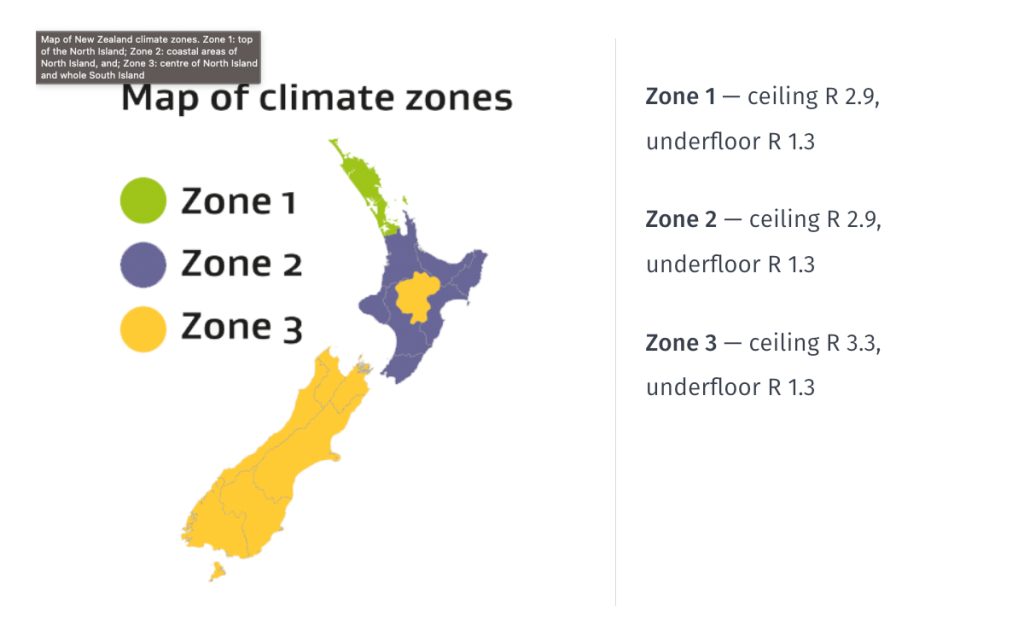
Providing ceiling and underfloor Insulation is a requirement landlords need to meet. The standards state the that the minimum R-Value for Ceiling Insulation is 2.9 in the North Island and 3.3 in the South Island while the minimum R-Value for underfloor Insulation is 1.3 across all of New Zealand.

Ventilation

Each habitable space must have a window or door that opens to the outside and can be fixed in the open position. Additionally, kitchens and bathrooms must have extractor fans to remove moisture. Good ventilation helps reduce moisture levels, making the home easier to heat and keeping tenants healthy.

Moisture Ingress and Drainage

Rental properties must have efficient drainage, guttering, and downpipes to remove stormwater, surface water, and groundwater. In properties with enclosed sub-floors, a ground moisture barrier is required to prevent moisture from entering the living spaces.

Draught Stopping

Landlords must block any unreasonable gaps or holes in walls, ceilings, windows, floors, and doors that cause noticeable draughts. Open fireplaces must also be blocked unless otherwise agreed upon by the tenant and landlord.

Compliance Deadlines and Consequences of Non-Compliance

Landlords who fail to meet their obligations under the healthy homes standards are in breach of the Residential Tenancies Act 1986 and may face financial penalties. There are some specific exemptions to these standards, and general exemptions may apply to certain rental homes. More information on exemptions can be found on the Tenancy Services website.

All rental properties must meet the healthy homes standards by 1 July 2025. Ensure your property is compliant by the required deadlines based on tenancy types and renewal dates. Maintaining compliance is crucial for the health and well-being of your tenants and the protection of your property investment.

Healthy Homes Guarantee Assessment

At Energy Workshop, we offer a Healthy Homes Guarantee Assessment specifically for landlords and property managers. Our team will conduct a thorough inspection of your property and provide tailored solutions to ensure compliance with the Healthy Homes Standards as mandated by the Healthy Homes Guarantees Act 2017. This comprehensive check ensures that your property meets all the necessary standards and provides you with a Healthy Home Statement (HHS) that is indemnified by us. Click here to book at Healthy Homes Guarantee Assessment today.

Thermal Barrier Hot Roof

What is your home’s thermal barrier and why is it important?

Having a good thermal barrier around your home is key for creating a comfortable and energy-efficient environment. But what exactly is a thermal barrier, and why is it so important? Let’s break it down.

What Is A Thermal Barrier?

Simply put, a thermal barrier acts as a shield that helps to regulate the temperature inside your home. It keeps the warmth in during winter and the heat out during summer, helping you maintain a consistent and comfortable indoor temperature. This barrier is crucial for minimising energy consumption and making sure that your home remains cosy all year round.

Your home’s thermal barrier isn’t just one thing. It’s made up of a combination of various building components working together to control heat transfer. These components include the framing, cladding, joinery, roof, floors, and most importantly, the insulation. Each element plays a vital role in preventing heat from escaping or entering your home. This contributes to its overall energy efficiency.

How It Works

So, how does It work? Imagine your home as a cosy cocoon. Insulated walls, ceilings, and floors act as barriers, preventing heat from escaping during winter and keeping the hot summer sun from baking your interior. By insulating these key areas, you create a buffer against external temperature fluctuations, helping you maintain a comfortable indoor environment. All while reducing the need for excessive heating or cooling and saving energy in the process.

Insulation is the cornerstone of your home. It’s what seals the gaps and prevents heat from escaping or infiltrating your living spaces. Without proper insulation, your home would be susceptible to temperature extremes, which would lead to discomfort and higher energy bills.

Compromised Thermal Barrier

Signs that your home’s thermal barrier may be compromised include things like cold drafts, inconsistent temperatures between rooms, higher than usual energy bills, and condensation issues. If you notice any of these signs, it’s important to address them fast to restore your home’s thermal efficiency.

Fortunately, Energy Workshop is here to help. With our expertise in home insulation, we can assess your current insulation levels and recommend solutions.

If you suspect that your home’s thermal barrier is incomplete or compromised, don’t hesitate to contact Energy Workshop today. Whether you need to add insulation to your walls, ceilings, or floors, we have the knowledge and experience to get the job done right.

Changing to LED Lighting

The Power of LED Lighting

Over the past few years, LED lighting solutions have gained lots of popularity and have become way more affordable. After being considered an expensive option once, LEDs are now pretty. accessible to a wide range of consumers. This makes them a great choice for homeowners in New Zealand looking to upgrade their lighting systems. This shift is driven by the numerous benefits that LED lights offer, both in terms of performance and cost savings.

Energy Efficiency Benefits of LED Lighting:

One of the most significant advantages of LED lighting is its energy efficiency. LED lights consume way less energy compared to traditional incandescent or halogen bulbs. Incandescent bulbs, for instance, convert only around 10% of the energy they use into light, with the remaining 90% being lost as heat. In contrast, LEDs are much more efficient, converting up to 90% of their energy into light. This dramatic difference results in huge energy savings, which can significantly reduce electricity bills.

LED Lighting has Longer Lifespans and Less Maintenance

Another great benefit of LED lighting is its longer lifespan and lower maintenance requirements down the road. LED bulbs can last up to 25 times longer than incandescent bulbs and about 10 times longer than compact fluorescent lights (CFLs). This extended lifespan means fewer replacements and less frequent maintenance, saving you both time and money. Additionally, LEDs are more durable and resistant to shocks and vibrations, which makes them ideal for various applications around the home.

Choosing the Right LED Bulbs:

When selecting LED bulbs for different applications, it’s important to consider factors such as colour temperature and lumens. Colour temperature is measured in Kelvin (K) and determines the hue of the light. For a warm, cosy ambiance, choose bulbs with a lower colour temperature (around 2700K to 3000K). For a bright, energising light, opt for bulbs with a higher colour temperature (4000K to 5000K).

Lumens measure the brightness of the light. Higher lumens mean brighter light, so consider the lumens required for different areas of your home. For instance, living rooms and bedrooms typically will need lower lumens for a softer light, while kitchens and workspaces benefit from higher lumens for better visibility.

Switch to LED Lighting:

Switching to LED lighting throughout your property is a smart investment that offers you significant energy savings and long-term benefits. Not only do LEDs reduce electricity consumption, but their longer lifespan and lower maintenance requirements also contribute to cost savings. With the added benefits of durability and versatility in various applications, LED lighting is a really excellent choice for creating a more energy-efficient and environmentally friendly home.

By understanding the advantages of LED lighting and making informed choices about colour temperature and lumens, you can enhance the comfort and functionality of your living spaces.

Gree Home Heat Pump

Making the Most of Your Heat Pump

I think we can all agree that heat pumps have become our best friends over winter time. They’re  a popular and efficient solution for both heating and cooling homes. Heat pumps are known for their ability to provide comfortable indoor temperatures all year round, regardless of the weather outside. Unlike traditional heating systems that generate heat, heat pumps work by transferring heat, making them a more energy-efficient option.

How Heat Pumps Work:

Heat pumps operate on the principle of heat transfer, which allows them to move heat from one place to another. In heating mode, a heat pump extracts heat from the outside air (even in cold weather) and transfers it indoors. And, in cooling mode, it extracts heat from the indoor air and releases it outside, effectively cooling the indoor space. This process is achieved through the use of a refrigerant that circulates between the indoor and outdoor units, absorbing and releasing heat when its needed.

Maximising Heat Pump Efficiency:

To get the most out of your heat pump, it’s important to make sure it continues to operate efficiently. Regularly clean or replace the filters in your heat pump to maintain good airflow and efficiency, as clogged filters can really reduce the system’s effectiveness and increase energy consumption. You should also try setting your heat pump to a comfortable temperature and avoid frequent adjustments, as consistent settings help the system run more efficiently and prevent unnecessary energy use.

When maximising the lifespan of your heat pump, making sure your heat pump doesn’t have to compete with other heat sources or cooling appliances is huge. For instance, avoid placing heat-generating appliances near the indoor unit, because this can interfere with the system’s ability to regulate temperature effectively. Additionally, schedule regular maintenance checks with a professional technician to ensure your heat pump is running smoothly, including inspecting refrigerant levels, cleaning coils, and checking for any potential issues that could impact performance.

Importance of Proper Sizing and Installation:

Now, I’d recommend proper sizing and installation for the best performance of a heat pump system. An incorrectly sized heat pump can quickly lead to inefficiency and increased energy costs. If the unit is too small, it will struggle to maintain the desired temperature, leading to excessive wear and tear. On the other hand, an oversized unit can cycle on and off frequently, wasting energy and causing temperature fluctuations.

Consider a Heat Pump for Your Home:

So, If you’re looking for an effective way to manage your home’s temperature, consider a heat pump as an option. With the right approach, you can make the most of this innovative technology and by understanding how they work, maximising their efficiency, and ensuring proper sizing and installation, you can enjoy a comfortable indoor environment year-round while reducing your energy consumption.

Women on couch enjoying good home ventilation

Breathing Easy for a Healthy Home

Maintaining a healthy home environment is essential, and one of the key components to achieving this is proper ventilation. Good ventilation is so important for having good indoor air quality, which directly impacts your health and comfort. In this article we’ll explore the importance of ventilation, its role in reducing moisture build-up, various ventilation strategies, and the benefits of implementing these into your New Zealand home.

Why Reducing Moisture Build-up is Important:

Ventilation is the process of exchanging indoor air with outdoor air to remove stale air and introduce fresh air. This process is critical for maintaining good indoor air quality. It helps to dilute and remove pollutants, allergens, and other harmful substances that can accumulate indoors. Having Inadequate ventilation can lead to a build-up of these contaminants, which can negatively affect the health and well-being of you and your family.

One of the primary reasons for ensuring proper ventilation is to reduce moisture build-up in the home. Excess moisture can lead to mould growth, which poses significant health risks, especially for those with respiratory conditions like asthma or allergies. Mould can release spores into the air, which, when inhaled, can cause various health issues, including respiratory infections, skin irritation, and exacerbation of asthma symptoms. Having proper ventilation helps to control humidity levels, which will reduce the likelihood of mould growth.

Good Ventilation Strategies for Your Home

Thankfully, there are several strategies to help you improve ventilation in your home. One of the simplest methods is to open windows regularly to allow fresh air to circulate. This is especially effective in mild weather when the outdoor air quality is good. However, relying solely on open windows may not be sufficient, especially now during New Zealand’s colder months or in areas with high outdoor pollution levels.

Using extractor fans in areas prone to high moisture, like the kitchen, bathrooms, and laundry rooms, is another effective ventilation strategy. Extractor fans help to quickly remove excess moisture and odours, preventing them from spreading throughout the home. It’s important to ensure that these fans are vented to the outside to avoid recirculating air within the house.

For more comprehensive ventilation, balanced ventilation systems, such as heat recovery ventilation (HRV) or energy recovery ventilation (ERV) systems, can be highly effective. These systems work by exchanging stale indoor air with fresh outdoor air while recovering heat from the outgoing air to warm the incoming air. This not only improves indoor air quality but also enhances energy efficiency by reducing the need for additional heating.

Benefits of Proper Home Ventilation

Implementing proper ventilation strategies offers so many benefits for your overall health and comfort within the home. Improved air quality reduces the concentration of indoor pollutants, making it easier to breathe and reducing the risk of respiratory problems. Controlling moisture levels helps to prevent mould growth, protecting both your health and the structural integrity of your home. And, good ventilation can enhance comfort by maintaining more consistent indoor temperatures and reducing stuffiness.

So, by understanding the importance of ventilation, implementing effective strategies and considering balanced ventilation systems, you can significantly improve your home experience. Take the time to research the ventilation options best suited to your property type and needs, and make your home a healthier place to live.

Healthy Home Insulation

Keeping Warmth Where it Belongs

In New Zealand’s we’ve clearly entered Winter and every Kiwi is wanting to warm up their home as quick as possible. A well-insulated home is not only more enjoyable to live in but it’s also significantly more energy efficient. In this article, we’ll delve into the essentials of insulation, explaining its role in retaining heat and how it can make a huge difference in your home’s comfort and your energy bills.

Understanding Insulation

Insulation is the material used to prevent heat loss in your home. It acts as a barrier to heat flow and locks it inside. Insulation is essential for keeping your home warm in the winter time and cool in summer. Without proper insulation in New Zealand, much of the heat generated by your heating systems will escape, leading to higher energy bills and a less comfortable living environment.

The Role of R-Values

One key concept in insulation is the R-value. The R-value measures the Insulation materials resistance to heat flow. The higher the R-value, the better the insulation’s effectiveness. Different parts of your home may require different R-values depending on their exposure to the elements. For example, ceiling insulation typically needs a higher R-value than wall insulation because heat rises and escapes through the roof more easily. In New Zealand, the Building Code specifies minimum R-values for different climate zones. These regulations ensure that homes are built to retain heat efficiently, but homeowners can always choose to exceed these standards for even better performance.

Identifying Areas of Home Heat Loss

To maximise your home’s insulation, it’s also important to identify and address areas where heat loss is most likely to occur. The main areas to consider include ceilings, walls, floors, windows, and doors. As mentioned, heat rises, which makes the ceiling a primary area for heat loss. Adding or upgrading ceiling insulation can make a significant difference. Properly insulated walls help maintain a consistent indoor temperature. Now, this is particularly important for older homes which may not have sufficient wall insulation. Insulating under the floor can prevent heat from escaping into the ground. This is especially beneficial for homes with wooden floorboards.

Benefits of Proper Insulation

Addressing these areas not only helps in keeping the warmth in but also offers several other benefits. Better insulation reduces the need for heating, therefor lowering how often you need to use heating appliances and that will lower your power bills. A well-insulated home maintains a more consistent temperature, improving your homes comfort. Reducing energy consumption also lowers your carbon footprint, contributing to a more sustainable environment. Homes with good insulation are often more attractive to buyers, which will potentially increase your property’s value.

For those looking to improve their home’s insulation, Its Important to consider the specific needs of your property and the climate zone. Having a chat with insulation professionals can provide valuable insights and help you choose the right materials and R-values for your home. Additionally, government grants and incentives may be available to assist with the costs of upgrading insulation.

So, insulation plays a pivotal role in keeping your home warm and energy-efficient during New Zealand’s colder months. By understanding the importance of R-values, identifying key areas of heat loss, and taking appropriate action, you can create a more comfortable and cost-effective living environment for you and your family.

Are you ready to transform your home into a healthy home?

Contact the Energy Workshop team today and discover how we can help you turn your home into a healthy home.